
Animation Guide
6 Types of Animation: A Complete Guide for Singapore Businesses (2026)
Animation in 2026 looks very different from what it was five years ago. Tools like Runway ML, Adobe Firefly, and Unreal Engine 5 have changed how quickly and affordably studios can produce high-quality work. What used to take three months now takes three weeks. What used to need a massive render farm now runs on

In this article
Animation in 2026 looks very different from what it was five years ago. Tools like Runway ML, Adobe Firefly, and Unreal Engine 5 have changed how quickly and affordably studios can produce high-quality work. What used to take three months now takes three weeks. What used to need a massive render farm now runs on a single workstation.
Singapore businesses are using animation more than ever. Government agencies run SkillsFuture and public health campaigns. Fintech companies explain complex products to everyday customers. Manufacturers show how their equipment works without building a single physical prototype.
But not every type of animation suits every job. Picking the wrong one means spending more time and money than you need to. So this guide walks you through –
- all six animation types,
- how each one works,
- how long it takes,
- where Singapore brands are using each,
- and which one fits your next project.
Here we go now.
What is Animation, Really?
Animation is the process of making still images move. It works by showing a sequence of frames one after another at high speed. Each frame is slightly different from the previous one, which tricks the human brain into seeing motion instead of separate pictures.
In most professional animation, videos are played at 24 frames per second (24fps). That means animators need 24 separate images, drawings, or rendered frames for every single second of footage. Some styles use fewer frames for a more stylised look, while others use higher frame rates for smoother movement.
Animation can be created in many different ways.
- Some methods involve drawing every frame by hand,
- while others use digital software, 3D models, moving typography,
- or even real physical objects photographed frame by frame.
Each method produces a different look, costs a different amount, and takes a different amount of time.
Here is a fast overview before we go deeper:
|
Type |
How It Works |
Typical Timeline |
Best Use |
|
Traditional hand-drawn |
Each frame is drawn by hand |
12–24 weeks |
Heritage, luxury, emotion |
|
2D digital |
Digital characters with rigged skeletons |
3–6 weeks |
Explainers, mascots, government |
|
3D animation (CGI) |
3D models rendered in software |
3–20 weeks |
Products, buildings, healthcare |
|
Motion graphics |
Animated text, shapes, data |
1–4 weeks |
Reports, data, brand content |
|
Stop motion |
Physical objects photographed frame by frame |
8–16 weeks |
Artisan brands, F&B, craft |
|
Whiteboard |
Simulated drawing synced to voiceover |
2–3 weeks |
Training, education, onboarding |
Let’s show you the details.
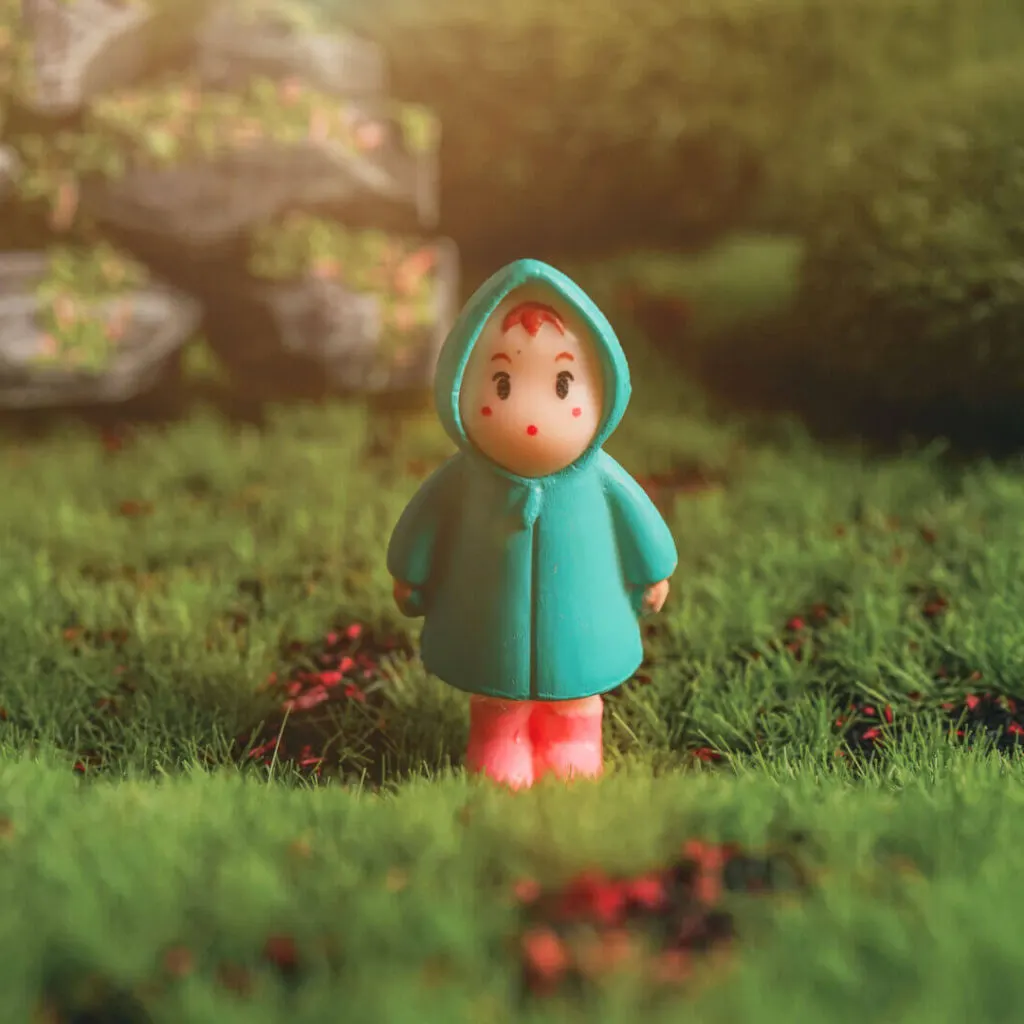
So, What are the 6 Types of Animation?
The six main types of animation used by Singapore businesses and studios today are traditional animation, 2D animation, 3D animation, motion graphics, stop motion, and whiteboard animation.
1. Traditional Hand-drawn Animation
Traditional hand-drawn animation is the oldest and most classic type of animation. In this method, artists draw every single frame by hand to create movement. Since videos usually play at 24 frames per second, even a short 90-second animation may need more than 2,000 individual drawings.
In the past, animators drew on transparent sheets called cels and photographed each frame one by one. Today, most studios draw on paper or tablets and then scan the artwork into digital software.
The Production Phases of Traditional Hand-drawn Animation
Even with modern tools, the main process still stays the same.
- Usually, a lead animator creates the main poses and movements.
- Assistant animators then draw the frames between those poses to make the movement smooth.
- After that, the team adds colours, backgrounds, and final effects.
Traditional animation takes a long time to produce. A high-quality 90-second video can take around 12 to 24 weeks, depending on the detail and complexity.
So, Why do Brands Still Use It in 2026?
Because it feels human, artistic, and emotional. Small imperfections in the drawings give the animation warmth and personality that digital styles sometimes cannot match.
Famous examples include:
- Snow White
- Bambi
- Spirited Away
- My Neighbour Totoro
In Singapore, Traditional Animation is Often Used for:
|
Traditional Hand-drawn Animation |
Heritage and cultural storytelling |
|
Museum and educational projects |
|
|
Premium product campaigns |
|
|
Government cultural content |
Traditional hand-drawn animation is not the fastest or cheapest option, but it creates a timeless and handcrafted feeling that many brands still value today.
2. 2D Digital Animation
2D digital animation is the most common type of animation used by businesses in Singapore today. It uses software like Adobe Animate, Toon Boom Harmony, and After Effects to create characters, graphics, and motion digitally.
The biggest difference between traditional animation and 2D animation is something called rigging. Instead of drawing the same character again and again, animators build a digital skeleton inside the character. The arms, legs, head, and facial features become movable parts that can be controlled easily.
The Production Phases of 2D Digital Animation
The production process usually works like this:
- Artists create digital artwork and characters
- Characters are rigged with joints and controls
- Animators set important movement positions called keyframes
- Software automatically creates movement between those frames
- Final effects, colours, voice-overs, and music videos are added
A 90-second 2D explainer video usually takes around 3 to 6 weeks to complete.
What is Different As Per 2D Digital Animation in 2026?
AI tools are now a standard part of most 2D digital workflows in Singapore.
- Adobe Firefly generates background textures in seconds.
- Rigging presets cut setup time by 60 to 70 per cent.
- Automatic in-betweening fills frames between keyframes without the animator drawing them.
These tools make production faster without changing the quality of the output.
Popular 2D styles include:
- Flat design animation
- Character-based animation
- Whiteboard-style animation
In Singapore, 2D animation is Commonly Used for:
|
2D Digital Animation |
SaaS product explainers and platform demos |
|
CPF Board, MOH, NEA, and SkillsFuture public campaigns |
|
|
DBS, OCBC, and UOB financial product education |
|
|
Corporate onboarding and HR training |
2D digital animation is popular because it is flexible, cost-effective, and works well across websites, social media, presentations, and marketing campaigns.
3. 3D animation (CGI)
3D animation creates objects and characters in a three-dimensional digital space. Unlike 2D animation, everything in 3D has depth, texture, lighting, and realistic movement. Characters and objects move inside a virtual world much like digital puppets.
This is the type of animation used in:
- Pixar movies
- Video game cinematics
- Product demonstrations
- Architectural walkthroughs
- Industrial and medical simulations
The Four Production Phases of 3D animation (CGI)
The production process usually has four main stages:
|
Modelling (2–4 weeks) |
|
|
Rigging (1–2 weeks) |
|
|
Animation (4–8 weeks) |
|
|
Rendering |
|
The Biggest Change in 2026: Real-time Rendering
Traditional rendering took 2 to 8 hours per frame. A 90-second video at 24fps has 2,160 frames. That was months of compute time on a render farm. Real-time rendering through Unreal Engine 5 and Unity renders frames instantly. You see changes as you make them, exactly like a video game.
A project that took 3 months in 2021 takes 3 weeks in 2026. This brought 3D animation within reach for corporate budgets, not just feature films.
Where Singapore Industries Use 3D Today:
|
Industry |
What They Animate |
Example |
|
Manufacturing |
Equipment operation, assembly sequences |
Industrial machinery demo before prototype build |
|
Real estate |
Property walkthroughs, interior previews |
CapitaLand and CDL development sales |
|
Healthcare |
Surgical procedures, device mechanisms |
Medical device demo for non-specialist audiences |
|
Government |
Urban planning, infrastructure projects |
MRT extension visualisations, HDB and URA presentations |
|
Retail |
Product configuration, 360-degree views |
Electronics and watch brands |
4. Motion Graphics
Motion graphics is a type of animation that focuses on moving design elements instead of characters or storytelling. It uses text, icons, shapes, charts, and graphics to explain information in a visually engaging way.
You often see motion graphics in:
- Animated logos
- Product feature videos
- Social media ads
- Title sequences
- Data visualisations
- Website animations
Production time: 1 to 4 weeks. Adobe After Effects is the industry standard.
How it differs from 2D animation:
2D animation tells a story through characters. Motion graphics communicate information through shape, text, and data. No characters, no narrative arc, just clean visual communication at pace.
Core Elements Motion Graphics Uses:
- Kinetic typography — animated text that moves to convey meaning
- Shape animation — geometric transitions and visual rhythm
- Data visualisation — animated charts, graphs, and infographics
- Logo animation — brand reveals and identity sequences
- Scroll-triggered animation — web content that builds as you scroll
Three 2026 Trends Shaping Motion Graphics in Singapore:
In 2026, several trends are shaping motion graphics in Singapore.
- One popular trend is the liquid glass style inspired by modern app and website designs. It uses smooth movement, transparent effects, and layered visuals.
- Another trend is bold kinetic typography, where words physically act out their meaning. For example, the word “launch” may move upward, while “break” may split apart on screen.
- Scroll-triggered animation is also becoming common on business websites. Graphics and data appear as users scroll, helping websites feel more interactive and modern.
In Singapore, Motion Graphics is Widely Used for:
|
Motion Graphics |
Annual report animations for SGX-listed companies |
|
DBS, OCBC, and UOB financial product content |
|
|
Channel NewsAsia broadcast graphics |
|
|
SkillsFuture digital campaign content |
|
|
SaaS website hero sections and product feature highlights |
5. Stop Motion Animation
Stop motion animation is created by photographing real physical objects one frame at a time. After each photo, the object is moved slightly, and another photo is taken. When all the photos are played quickly together, the objects appear to move on their own.
There are several types of stop motion animation, including:
- Claymation
- Puppet animation
- Object animation using everyday items
- Cut-out animation using flat paper or card characters
Stop motion is one of the slowest animation styles to produce. In many cases, creating just one second of finished footage can take 8 to 12 hours of work.
Why Would a Brand Choose Stop Motion Animation in 2026?
Because its handmade look feels real, warm, and authentic. Small imperfections like visible textures and slight movements make the animation feel more human. In a time when AI can create very smooth digital visuals, stop motion stands out because it looks handcrafted and unique.
Many premium brands, such as Hermès, Lacoste, and a growing set of premium food and beverage brands, use stop-motion to communicate quality, creativity, and attention to detail.
Where Singapore Brands Use Stop Motion Animation
|
Stop Motion Animation |
Artisanal and craft food brands |
|
Traditional heritage businesses |
|
|
Children’s product brands where warmth matters |
|
|
Premium F&B product launches |
|
|
Cultural and educational content |
Some famous stop motion examples include:
- Wallace and Gromit
- Fantastic Mr. Fox
- PES food animations
Stop motion animation takes patience and time, but it creates a special visual style that digital animation often cannot fully replicate.
6. Whiteboard and Explainer Animation
Whiteboard animation is a style of animation that looks like someone is drawing illustrations on a whiteboard in real time while a voiceover explains the topic. As the drawings appear step by step, viewers stay focused and naturally follow the explanation.
This style works well because it feels similar to how a person teaches or explains something face-to-face. Instead of showing everything at once, the information appears gradually, making it easier to understand.
The Four Production Phases of Whiteboard and Explainer Animation
The production process usually includes:
- Recording the voiceover first
- Creating illustrations based on the script
- Animating the hand and drawings to match the audio
- Adding titles, transitions, music, and final effects
A whiteboard animation project usually takes around 2 to 3 weeks to complete.
Where Singapore Uses Whiteboard Animation Most:
In Singapore, whiteboard and explainer animations are commonly used for:
|
Whiteboard and Explainer Animation |
SkillsFuture course content and e-learning modules |
|
Corporate compliance and onboarding training |
|
|
Financial literacy campaigns explaining CPF, insurance, and investments |
|
|
Technical product education for non-specialist buyers |
|
|
Healthcare and pharmaceutical procedure explanations |
Popular tools used for whiteboard animation include:
- VideoScribe
- Doodly
- Adobe After Effects
Whiteboard animation may look simple, but it is one of the most effective ways to explain information clearly and keep viewers engaged from beginning to end.
2026 Trends Reshaping How Singapore Animation Studios Work
Beyond the six main animation types, several new trends are changing how animation studios in Singapore work in 2026.
Mixed 2D and 3D Hybrid Styles
Many studios now combine 2D and 3D animation. This style mixes the simple artistic look of 2D with the depth and realism of 3D environments.
A popular example is the visual style seen in Spider-Man: Into the Spider-Verse, where 3D scenes use hand-painted 2D textures and effects. Singapore brands are starting to use this hybrid style for –
- advertising,
- social media campaigns,
- and corporate videos because it feels modern and visually unique.
AI-Assisted Animation Production
AI tools are now part of everyday animation workflows. Many studios use AI to speed up tasks such as:
- Automatic lip syncing
- In-between frame generation
- Background creation
- Motion tracking and conversion
These tools help studios work faster, but human creativity is still essential. Animators and creative directors still control the storytelling, design, branding, and final artistic decisions.
AR Animation and Interactive Experiences
AR (Augmented Reality) animation is also growing quickly in Singapore. This type of animation works through smartphone cameras and interactive apps.
Businesses now use AR to:
- Let customers preview furniture in their homes
- Show virtual property walkthroughs
- Create interactive event experiences
- Build social media filters and campaigns
These new technologies are helping Singapore animation studios create faster, smarter, and more interactive content for modern audiences.
Which Animation Type Fits Your Project?
The decision comes down to four things: your message, your audience, your timeline, and your budget.
|
If Your Goal Is… |
Use This Type |
Singapore Example |
|
Explain complex concepts simply |
2D Digital or Whiteboard |
Fintech product explainer |
|
Showcase the physical product realistically |
3D Animation (real-time) |
Industrial equipment demo |
|
Create an emotional brand story |
Traditional or Stop Motion |
Heritage brand campaign |
|
Animate data and statistics |
Motion Graphics |
Annual report highlights |
|
Stand out with a unique aesthetic |
Stop Motion or Hybrid 2D/3D |
Luxury product launch |
|
Train employees efficiently |
Whiteboard or 2D Digital |
Corporate onboarding |
Singapore’s Animation Market in 2026
Singapore has over 50 animation studios and production companies. Most of them focus on corporate content for B2B clients.
Key Industries Using Animation:
- Government: SkillsFuture, NEA, MOH, MOM campaigns
- Financial Services: DBS, OCBC, UOB explainers
- Technology/SaaS: B2B product marketing
- Manufacturing: Industrial equipment visualisation
- Real Estate: Property developments (CapitaLand, CDL)
- Healthcare: Medical device demonstrations
- Education: E-learning platforms, training content
Software & Tools Available
- Singapore studios use industry-standard software (Maya, After Effects, Unreal Engine). IMDA grants are available for production companies adopting new technology.
Language Capabilities
Most Singapore animation studios offer multilingual production:
- English (primary)
- Mandarin Chinese
- Malay
- Tamil
- Regional languages (for ASEAN markets)
If interested, you can check out this guide to learn about the top 6 animation companies in Singapore.
Wrapping Up
You now know what each type of animation does, how long it takes, and where it works in Singapore. The next step is matching that knowledge to your brief. Animation in Singapore is not a luxury reserved for big-budget campaigns. Real-time rendering, AI-assisted production, and an established pool of local animation studios, like Moving Image, have brought production timelines and costs down significantly.
Moving Image, a top video production company in Singapore, produces 2D animation, 3D animation, and motion graphics for corporate, government, and technology clients across Singapore and the region. We use real-time rendering and modern production workflows to deliver high-quality animation on timelines that work for your business.
View our animation work portfolio covering 2D, 3D, and 3D motion graphics or reach out directly to talk through your project.
FAQ
FAQs
A 1-minute animation usually takes 2 to 8 weeks, depending on style. Motion graphics and whiteboard are faster, while 3D and stop motion take longer. More characters, scenes, or revisions will increase the timeline.
2D animation and motion graphics work best for complex ideas because they simplify information using visuals and step-by-step storytelling. They help viewers understand financial, tech, or SaaS products quickly.
No, AI cannot fully replace animation studios. AI helps speed up tasks like background creation or in-between frames, but humans still control storytelling and design. Branding, creativity, and message clarity still need human direction.
Motion graphics and short 2D animations work best for ads because they are fast, clear, and attention-grabbing. They are widely used on social media, websites, and digital campaigns.
Animation usually includes characters and storytelling, while motion graphics focus on moving text, icons, and data. Motion graphics are used for information, and animation is used for narrative.
Not always. 3D animation is useful when you need realistic product views or demonstrations, especially for machines, buildings, or medical devices. For simple explanations, 2D or motion graphics are often enough.


